
Discover the Best Residential Properties in Honolulu, HI: 2026 Market Insights
Honolulu HI residential properties in 2026 reflect a constrained yet resilient island market shaped by limited land and steady demand. According to Zillow, the typical Honolulu home value stood near $840,000 in early 2026, after several years of moderate gains. Tight inventory around Ala Moana, Waikiki, and Kakaako continues to reinforce pricing strength, while neighborhoods such as Manoa, Kapahulu, and Makiki draw interest from buyers seeking proximity to schools, employment, and coastline amenities.
How Is the 2026 Market Shaping Opportunities in Honolulu HI Residential Properties?
Market conditions for Honolulu HI residential properties entering 2026 show a balance between affordability pressures and long-term value. According to Redfin, median sale prices across Honolulu have generally ranged between $750,000 and $900,000 over recent months, depending on product type. Condominiums near Ala Moana Center and Ward Village often trade below single-family homes in Manoa or Kahala, yet both segments remain influenced by limited developable land and high construction costs.
Inventory levels remain tight compared with many mainland markets. Based on data from the Honolulu Board of Realtors (HiCentral MLS), months of supply citywide has hovered near the 2 to 3-month range through late 2025, well below the 5 to 6-month threshold typically associated with a balanced market. This low supply environment affects neighborhoods from Kaimuki to Nuuanu, prompting quick decision timelines for buyers targeting desirable streets like Beretania Street and King Street.
Demand drivers support pricing across many submarkets. According to U.S. Census Bureau QuickFacts, Honolulu County’s population exceeded 1,000,000 residents in recent years, with a sizable share concentrated around the urban core. Employment centers near Bishop Street, Queen's Medical Center, and the University of Hawaiʻi at Mānoa sustain daily commuter flows, reinforcing demand for condos along Kapiolani Boulevard and apartments near McCully-Moiliili.
As evening settles over Kakaako, the glow from Ward Village towers reflects on the calm surface of the harbor, while the salty air from Kewalo Basin mixes with the smoky aroma of food trucks along Ala Moana Boulevard. Music from waterfront venues drifts toward Ala Moana Beach Park, and footsteps echo across the smooth paths of Magic Island. This sensory mix highlights how lifestyle energy and ocean proximity shape perceptions of value in nearby condominium buildings.
Which Neighborhoods Stand Out for Long-Term Value in Honolulu?
Several Honolulu neighborhoods demonstrate strong potential for long-term value retention. According to Realtor.com, areas such as Manoa, Kaimuki, and Kapahulu frequently show listing prices in the $900,000 to $1,400,000 range for single-family homes as of early 2026, supported by limited turnover and convenient access to schools. Proximity to institutions like Punahou School, Iolani School, and Roosevelt High School strengthens demand for properties along Wilder Avenue, Nehoa Street, and Makiki Street.
Coastal neighborhoods show differentiated dynamics. Kahala, east of Diamond Head, typically commands premium pricing, with many homes listed above $2,000,000, based on current offerings tracked by Zillow. In contrast, parts of Waikiki offer fee-simple condos at lower entry points, often between $400,000 and $700,000, yet with higher density and tourism-related activity. Buyers prioritizing quiet residential streets frequently compare inland options in Aina Haina, Niu Valley, or St. Louis Heights with more urban settings near Ala Wai Boulevard.
Walkability and transit access also shape long-term appeal. According to Walk Score, Honolulu posts an overall Walk Score of around 74, classified as “Very Walkable.” Neighborhoods near the Honolulu rail stations in Kakaako, Downtown, and Kalihi could experience evolving demand as more residents seek car-light lifestyles. Streets like Kalakaua Avenue, South King Street, and Kapiolani Boulevard already support dense bus networks linking residential clusters to employment hubs.
Rental fundamentals support investor interest in several corridors. Based on current surveys by Zumper, median one-bedroom rents in Honolulu generally range between $1,800 and $2,400 per month in 2026, with higher figures common in Waikiki and Ala Moana. These rates influence purchasing decisions for both local occupants and off-island investors evaluating cash flow potential in high-demand buildings near the Blaisdell Center, Hawaii Theatre Center, and Downtown Honolulu.
What Types of Honolulu HI Residential Properties Are Most In Demand?
Property types in demand across Honolulu reflect diverse household needs. According to HiCentral MLS, condominium sales often account for roughly 55% to 60% of transaction volume in the urban Honolulu corridor during a typical year, while single-family homes comprise the balance. High-rise condos dominate skylines in Kakaako, Ala Moana, and Waikiki, whereas older plantation-style homes and mid-century residences appear frequently in Palolo, Kaimuki, and Nuuanu.
Newer luxury towers cater to buyers seeking amenities and ocean views. Ward Village and neighboring Kakaako developments showcase residences with resort-style pools, fitness centers, and concierge services. According to pricing snapshots on Ward Village, recent new-construction units often list between $900,000 and $2,500,000, depending on floor level and floor plan. These projects appeal to residents prioritizing walkable access to restaurants, parks, and waterfront promenades along Ala Moana Beach Park.
In Manoa, morning rain showers brush softly against traditional single-wall homes, leaving the air thick with the scent of wet guava leaves and plumeria blossoms near Manoa Marketplace. Roosters crow in the distance while clouds cling to the ridgeline above East Manoa Road, and cool breezes filter through screen doors instead of powered air conditioning. This sensory environment reinforces demand for older, character-rich homes along University Avenue and Oahu Avenue, even when square footage trails newer builds in Kakaako.
Mid-range buyers frequently evaluate two-bedroom condos near McCully, Moiliili, and Kapahulu, where older buildings may trade between $500,000 and $750,000 based on current listings tracked by Redfin. These properties offer proximity to the University of Hawaiʻi at Mānoa, Kapiolani Park, and Waikiki beach access, supporting both owner-occupant and long-term rental strategies. Townhome-style communities in Hawaii Kai and Salt Lake provide additional options for households seeking parking and modest outdoor space.
How Do Schools, Parks, and Amenities Influence Property Choices?
Educational access remains a major driver of residential selection. According to GreatSchools, several Honolulu public schools, including Noelani Elementary and Moanalua High School, hold ratings between 8 and 10 on a 10-point scale. Proximity to Punahou School, Iolani School, and Maryknoll School bolsters demand for homes in Makiki, Moiliili, and Kaimuki, often supporting premiums measured in the tens of thousands of dollars compared with comparable properties farther from these campuses.
Parks and open spaces enhance neighborhood appeal across the city. Kapiolani Park, Ala Moana Beach Park, and Manoa Valley District Park provide recreational options that influence buying decisions. Condos along Ala Wai Boulevard, for example, supply quick access to both the Ala Wai Canal jogging path and Waikiki Beach. Distance to green spaces often factors into pricing, with units within roughly 0.5 miles of major parks commanding modest price advantages based on patterns noted in listings tracked by Zillow.
Retail and dining concentrations shape daily convenience for many residents. Ala Moana Center, one of the world’s largest open-air shopping centers, anchors a dense cluster of high-rise residences along Kapiolani Boulevard and Piikoi Street. Ward Village offers additional restaurants, markets, and entertainment venues, drawing interest from buyers who prioritize walkable access over larger interior square footage. Neighborhood-serving hubs like McCully Shopping Center, Kapahulu Avenue, and Kahala Mall round out the amenity landscape that defines micro-market preferences.
Healthcare and cultural institutions add further value. Queen's Medical Center, Kuakini Medical Center, and Straub Medical Center support strong employment bases while ensuring short travel times for residents along Liliha Street, Vineyard Boulevard, and Punchbowl Street. Cultural venues, including the Honolulu Museum of Art, Hawaii Theatre Center, and Neal S. Blaisdell Center, provide performance and exhibition options within a few miles of many urban residential towers. These combined amenities help sustain resilient demand even during broader economic slowdowns.
What Strategies Help Buyers Compete in Honolulu’s 2026 Market?
Competitive dynamics in Honolulu HI residential properties call for precise timing and clear priorities. According to Redfin, a significant share of Honolulu homes—often around 30%—have sold above list price in recent twelve-month periods. Properties in sought-after locations like Kakaako, Manoa, and Kapahulu may receive multiple offers within the first 7 days on market. This pace favors prepared buyers who enter negotiations with firm financing, defined budget ceilings, and flexible closing timelines.
Financing structure influences success rates. Conventional loans with down payments of at least 20% remain common among higher-priced single-family purchases in neighborhoods such as Kahala and Hawaii Kai, while FHA loans with minimum 3.5% down payments still appear in condo transactions under certain building guidelines, as outlined by HUD. Clean offer terms, limited contingencies, and realistic appraisal expectations matter in submarkets where recent comparables may lag rapid price shifts.
Data-driven pricing expectations improve decision-making. According to aggregated stats from HiCentral MLS, median days on market for Honolulu properties often falls within the 20 to 35-day range, depending on season and property type. Homes priced appropriately for condition and location along corridors like Kalanianaole Highway, Nuuanu Avenue, and Kapahulu Avenue frequently secure offers more quickly than overpriced listings. Understanding these timeframes helps structure offer deadlines, inspection periods, and potential rent-back arrangements.
Many buyers evaluate trade-offs between view, commute time, and square footage. For instance, a smaller high-floor condo in a Kakaako tower overlooking Honolulu Harbor might command a premium over a larger, valley-facing unit in Palolo. In 2026, heightened remote-work flexibility still influences choices between urban towers near Bishop Street and quieter residential enclaves in Aina Haina or Niu Valley. Careful analysis of recent sales enables rational decisions amid strong emotional pull from ocean and mountain vistas.
The $840,000 typical home value cited at the start of this guide reflects a market shaped by constrained land and persistent demand. That same $840,000 figure from the opening underscores how pricing across Honolulu HI residential properties continues to cluster at levels that require strategic planning. The Honolulu Board of Realtors (HiCentral MLS) monthly statistics dashboard provides one of the clearest real-time windows into inventory shifts by neighborhood and property type. Buyers who monitor those data releases closely and commit to submitting well-documented offers within 24 to 48 hours of touring suitable homes during the spring and early-summer listing surge tend to secure stronger positions, while those who delay action until late Q3 often face reduced selection and more pronounced competition for the remaining high-quality listings.
FROM OUR BLOG


Assumable Loans: A Buyer’s Guide to VA, FHA, and USDA Options
Imagine stepping into a home—and also stepping into the previous owner’s low mortgage rate. That’s the magic of assumable loans, a unique option that can make buying a home more affordable and accessible, especially when interest rates are on the rise. What Is an Assumable Loan? An assumable loan le
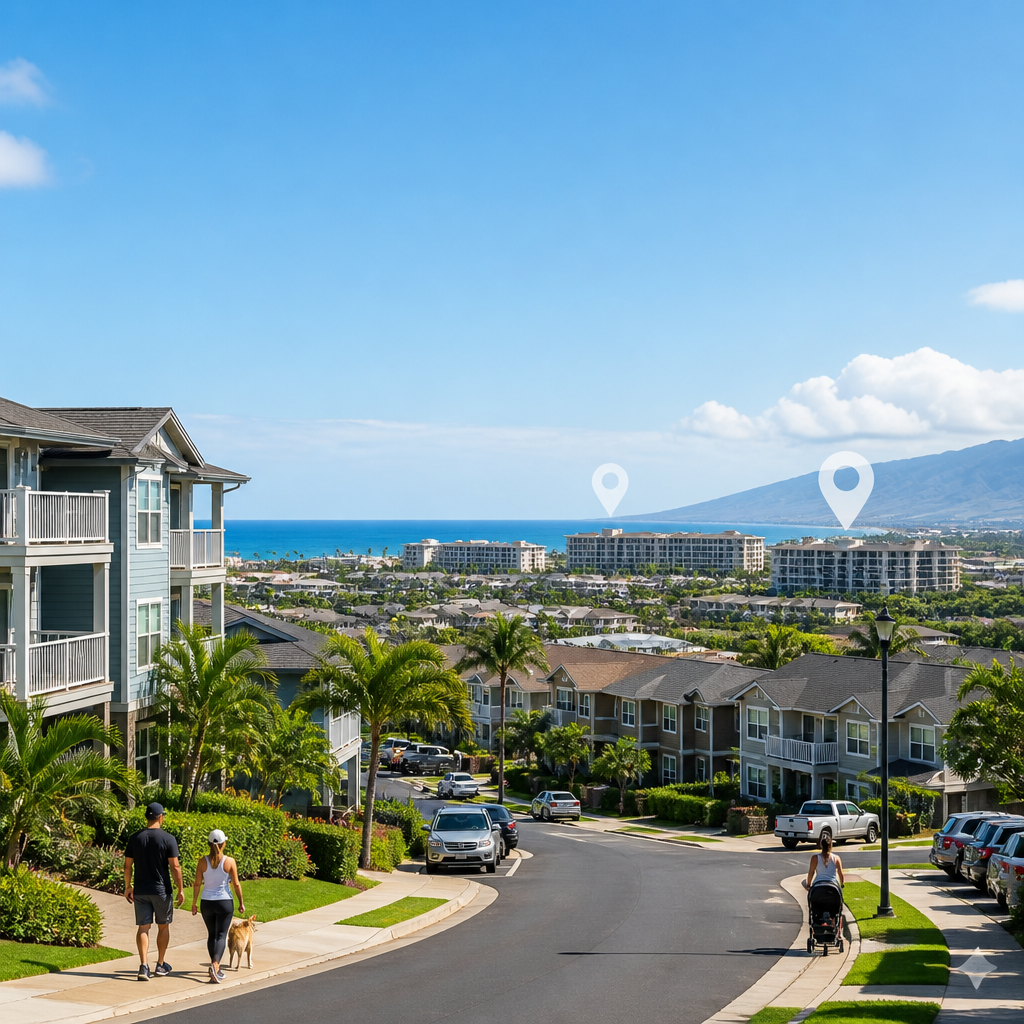
Ewa Beach Condominiums for Sale: Your 2026 Buyer’s Guide
Ewa Beach Condominiums for Sale: Your 2026 Buyer’s Guide Interest in Ewa Beach condominiums for sale continues to accelerate as infrastructure expands toward Kapolei and the West Side. According to Redfin, as of early 2026 many Ewa Beach condos trade in the approximate range of $550,000 to $650,000,
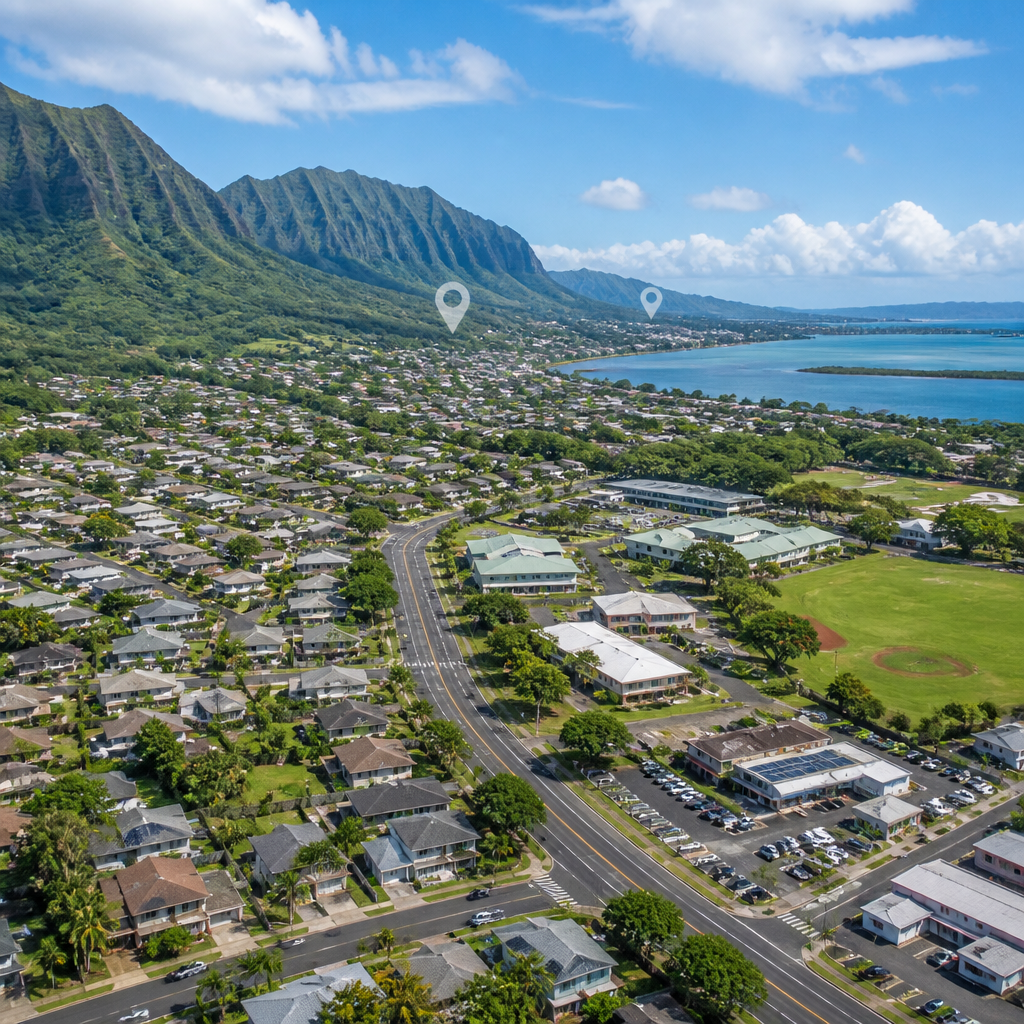
Kaneohe, HI Neighborhood Guide: What to Expect in 2026
Kaneohe, HI Neighborhood Guide: What to Expect in 2026 Kaneohe sits along the windward side of Oahu, framed by the Koʻolau Range and Kaneohe Bay, offering dramatic scenery and a quieter pace than Honolulu. According to Wikipedia, the census-designated place recorded about 37,430 residents in 2020, a