
Aloha! I'm Holly Shankleton, a REALTOR® with eXp Realty here on Oʻahu. Almost every week someone tells me, "We're thinking about moving to Oʻahu, Hawaiʻi. What should we know first?" It's a great question, and the honest answer goes beyond beaches and sunsets. This guide is the reality check: costs, housing, weather, jobs, schools, and the little things that surprise mainlanders. When you're ready for the logistics (car shipping, pets, utilities), my step-by-step Moving to Oʻahu Checklist picks up where this post leaves off.
1. Island geography shapes your daily life
Oʻahu is one island, but each side feels like its own world. Town (Honolulu, from Kakaʻako to Kaimukī) is urban and walkable. The Windward side (Kailua, Kāneʻohe) is greener, breezier, and rainier. Central Oʻahu (Mililani, Wahiawā) is suburban and family-oriented. The Leeward and West side (Kapolei, ʻEwa Beach, Waiʻanae) is sunnier, drier, and often offers more house for the money. The North Shore is rural, famous for winter surf, and a long drive from town.
What surprises people: traffic. The island is small, but H-1 rush hour can turn a 20-mile commute into an hour. Pick your neighborhood around where you'll work and go to school. If the Windward side is calling you, start with my Kailua tips post.
2. The cost of living is real (and it shows up in surprising places)
Yes, Oʻahu is expensive. The Missouri Economic Research and Information Center's cost-of-living index (Q2 2026) scores Hawaiʻi utilities at 207.3, where the U.S. average is 100 (MERIC). Hawaiian Electric's October 2026 filing puts the bill for a typical Oʻahu household using 500 kWh at $246.44 a month (Hawaiian Electric, Oct 2026).
Groceries, gas, and shipping run higher too, because almost everything arrives by boat. Many residents offset this by eating local, shopping farmers markets, and enjoying the free stuff: beaches, hikes, and sunsets.
Before you commit, run your own numbers in my free Hawaiʻi cost-of-living calculator, and read my deeper dive on the cost of living on Oʻahu in 2026.
3. The housing market: what homes actually cost
According to the Honolulu Board of REALTORS®, the median sales price for an Oʻahu single-family home in September 2026 was $1,110,000, down 3.9% from a year earlier. The condo median was $523,000, up 2.8% (HBR September 2026 report).
A few more numbers from that same report that matter if you're planning a move:
- Single-family homes sold in a median of 16 days, and 31% closed above the original asking price.
- 39% of single-family sales closed under $1 million, and 47% of condo sales closed under $500,000.
- Condo inventory sat at about 7 months of supply, versus 3.2 months for single-family homes.
In plain terms: single-family homes still move fast, while condo buyers have more room to compare and negotiate. Condos also come with monthly maintenance fees, so budget for those. Many newcomers rent for six months to a year first to learn the island before buying. That's a smart move, and I'm happy to help you plan for it.
4. Weather: paradise, with a hurricane season
Oʻahu weather is warm year-round, with trade winds that keep things comfortable. Windward and mauka (mountain-side) areas get more rain; the West side is drier and hotter. Many homes don't have central air, so ask about it when you tour.
Hurricane season runs June 1 to November 30. NOAA's 2026 Central Pacific outlook called for a 70% chance of an above-normal season, with 5 to 13 tropical cyclones (NOAA/NWS Honolulu). Because Hawaiʻi relies on shipping for most food and supplies, state and city officials recommend keeping 14 days of supplies, including one gallon of water per person per day (HI-EMA 2-Weeks Ready, Honolulu DEM). Before you choose a home, look up the address in the City's Oʻahu Hazard Explorer for flood, tsunami, and wildfire zones.
5. Jobs and the local economy
Hawaiʻi's labor market has been tight. DBEDT reported a seasonally adjusted statewide unemployment rate of 2.8% in September 2026, versus 4.2% nationally, with Honolulu at 3.0% (not seasonally adjusted) (DBEDT, Oct 19, 2026).
Low unemployment doesn't always mean mainland-level pay, though. Tourism, healthcare, government, construction, and the military are major employers, and wages don't always keep pace with costs. If you can, line up a job or keep a remote position before you move.
6. Schools: one statewide district
Here's one that surprises a lot of families. Hawaiʻi has the nation's only statewide public school district. The Hawaiʻi State Department of Education runs 258 public schools plus 38 public charter schools, organized into 15 complex areas, and enrollment for 2026–27 is 161,102 students (HIDOE enrollment FAQs, HIDOE 2026–27 enrollment). Your address determines your home school, so many families choose a neighborhood by its school complex. Oʻahu also has a large private school community, with applications often due well ahead of the school year.
7. What surprises mainlanders most
- "Island time" is real. Things can move slower, from permits to repairs. Patience and aloha go a long way.
- Shipping costs and delays. Online orders take longer, and some retailers won't ship to Hawaiʻi.
- Distance from family. Flights to the West Coast take about five to six hours. Plan for travel costs.
- Bringing a pet takes planning. Hawaiʻi is rabies-free, and the import rules start months ahead. My checklist covers the steps.
- Culture and respect. Learning a little Hawaiian history, local customs, and how to pronounce place names helps you become part of the community, not just a resident.
Frequently asked questions
What should I know before moving to Oʻahu?
Plan for higher costs (especially housing and electricity), pick a neighborhood based on your commute and schools, keep 14 days of emergency supplies for hurricane season, and line up work before you arrive if you can.
How much does a house cost on Oʻahu in 2026?
The Honolulu Board of REALTORS® reported a September 2026 median of $1,110,000 for single-family homes and $523,000 for condos.
When is hurricane season in Hawaiʻi?
June 1 through November 30. Officials recommend keeping at least 14 days of food, water, and medicine on hand.
How do public schools work on Oʻahu?
Hawaiʻi has one statewide public school district with 258 HIDOE schools and 38 charter schools. Your home address determines your assigned school.
Is it hard to find a job on Oʻahu?
Unemployment is low (2.8% statewide in September 2026), but wages may not match mainland pay for some roles, so many people secure a job or remote work before moving.
Ready to make Oʻahu home?
Moving to Oʻahu is a big decision, and I love helping people make it with clear eyes and real numbers. Reach out anytime to talk story about neighborhoods, budgets, or timing. Own a home on the mainland or here? Start with a free home value estimate. And get sourced Oʻahu home tips every week in my Hawaiʻi Home + AI newsletter.
A hui hou, Holly Shankleton, REALTOR® | eXp Realty | RS-88367 808-450-9373 | oahubyholly@gmail.com | oahuwithholly.com
FROM OUR BLOG

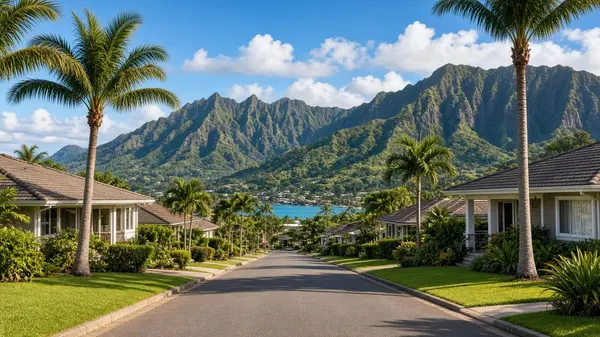
Kailua Oʻahu Real Estate Buyer Guide (2026): Prices, Neighborhoods & Tips
Aloha! If you've been scrolling Kailua homes for sale and dreaming about morning walks on Kailua Beach, you're not alone. Kailua is one of the most searched towns on Oʻahu, and for good reason. It's got the beaches, the small-town feel, and an easy hop over the mountains to Honolulu. In this guide I

Your HECO Bill, a Permit-Free Kitchen Refresh, and Honolulu's New AI Permit Checker
Happy almost-Halloween! This week I've got one number that explains a lot of Oʻahu power bills, one remodel tip that can save you a trip to the permit office, and one AI tool that just became part of life for anyone planning a bigger project on the island. I'm Holly Shankleton, a REALTOR® with eXp R
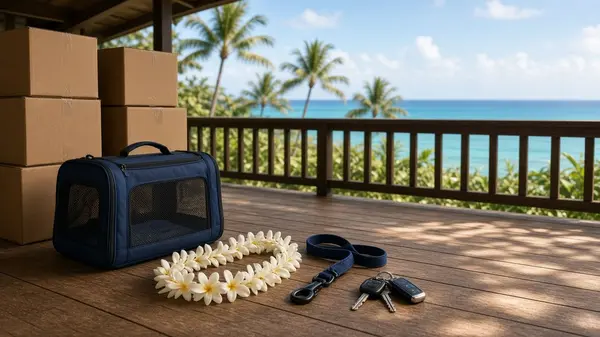
Moving to Oahu Checklist: What Nobody Tells You
Last updated October 2026 The quick answer The three things most likely to trip you up when you move to Oʻahu are your car, your pets, and your monthly bills: ul]:whitespace-normal [&>ol]:whitespace-normal">Car: Matson's published rate to ship a standard vehicle from Long Beach or Oakland to Honolul